February often brings the harshest face of winter, characterized by heavy snow accumulation, freezing rain, and wildly fluctuating temperatures. While homeowners frequently focus on the integrity of their roofs, the home’s siding is the first line of defense against lateral winds, driving sleet, and moisture penetration. At Neat Services Corp, we have seen how what happens to your siding in mid-February can determine the structural health of your entire home come spring.
As the snow begins to melt during the day and refreeze at night, ice dams and trapped moisture can put immense pressure on your siding panels. A mid-winter inspection isn't just a recommendation; it is a crucial step in proactive home maintenance that ensures your sanctuary remains dry and energy-efficient.
Spotting the Signs of Winter Damage Before They Escalate
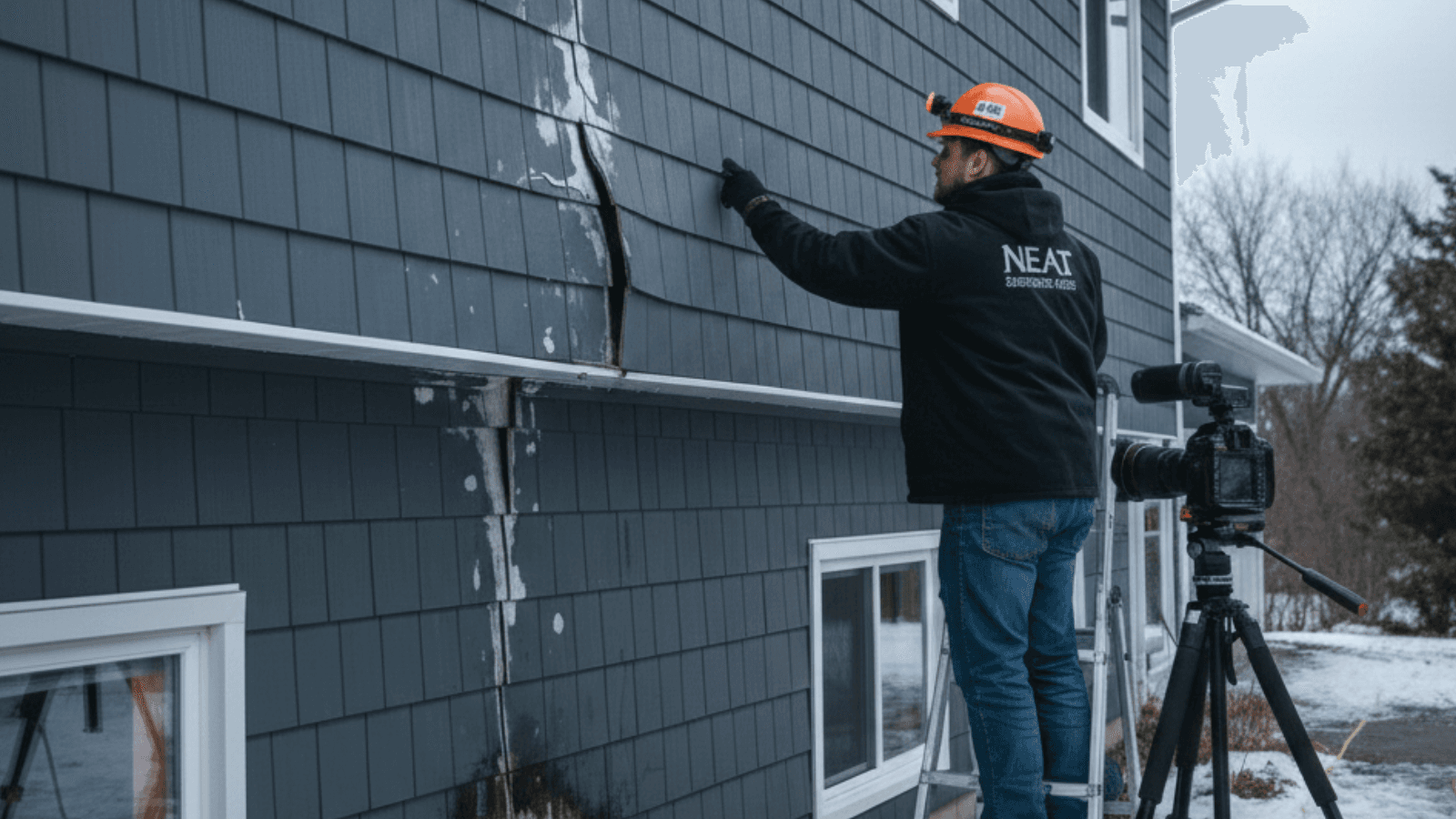
One of the most destructive forces during this month is the "freeze-thaw" cycle. When moisture gets trapped behind a siding panel and subsequently freezes, it expands with enough force to crack even the most durable materials. During your February walk-around, keep a keen eye out for these specific red flags:
- Hairline Cracks and Fractures: Even the smallest opening can allow melting snow to seep into your wall sheathing. Over time, this water creates a breeding ground for rot that stays hidden until it’s too late.
- Loose or Rattling Panels: High winter winds can loosen fasteners. If a panel is no longer flush against the house, it compromises your home's thermal seal, letting cold air in and driving up your heating bills.
- Bulging, Buckling, or Warping: If your siding appears to be "pushing out" from the wall, it is a clear sign that moisture is already trapped behind the barrier and is beginning to affect the underlying wood structure.
- Peeling Interior Paint or Wallpaper: Sometimes the signs of siding failure appear inside. If you notice moisture marks on your interior walls after a heavy snowstorm, your siding has likely been compromised.
The High Cost of Procrastination
Waiting until the "spring cleaning" season in April to check your siding is a risky and potentially expensive move. If moisture penetrates the protective barrier during February’s storms, it doesn't just sit there; it begins to feed mold growth and trigger wood rot in the interior studs and insulation.
By the time you notice a visible leak in the spring, the internal damage could already cost thousands of dollars to remediate. A quick, professional assessment now—while the ground is still frozen—ensures that minor repairs, such as resealing a joint or replacing a single panel, prevent a full-scale, emergency siding replacement later this year.
Protect Your Investment
Your home is likely your most significant investment. Protecting it means staying one step ahead of the elements. At Neat Services Corp, we specialize in identifying these winter-specific vulnerabilities before they become structural nightmares. Don't let a February storm dictate the future of your home; take control with a thorough inspection today.